
Mount Bawakaraeng is one of the most remarkable mountain destinations in South Sulawesi, Indonesia. Standing approximately 2,830 meters above sea level (MASL), this mountain attracts hiking enthusiasts, nature lovers, and international travelers seeking an unforgettable adventure in the highlands of Gowa Regency.
However, climbing Mount Bawakaraeng requires more than enthusiasm and a good pair of hiking shoes. The mountain features challenging trails, steep sections, changing weather conditions, and long trekking hours that demand proper preparation. For first-time hikers and travelers coming from Makassar, understanding how to prepare can make a significant difference to the safety, comfort, and enjoyment of the journey.
In this guide, Sulawesi Hike shares practical Mount Bawakaraeng trekking tips from a local hiking perspective, covering physical fitness, essential equipment, clothing, food, weather awareness, trekking duration, and responsible hiking practices.
Whether you are planning your first mountain adventure or looking for a more organized trekking experience, these recommendations will help you prepare for Mount Bawakaraeng with greater confidence.

1. Understand the Mount Bawakaraeng Trekking Experience
Before starting your adventure, learn about the mountain, its trails, and the physical demands of the journey.
Mount Bawakaraeng is known for its forest landscapes, mountain ridges, expansive views, and beautiful sunrise scenery. On suitable mornings, hikers may also witness a spectacular sea of clouds covering the surrounding valleys.
Nevertheless, the experience can be physically demanding. Depending on your chosen route, starting point, hiking pace, weather, and campsite location, the journey may involve long uphill climbs, uneven terrain, muddy paths, and exposed sections.
Beginners should avoid underestimating the mountain simply because they have experience walking or traveling in other outdoor destinations.
Before departure, discuss the following details with your local guide:
- The selected trekking route and starting point.
- Expected walking hours and approximate elevation gain.
- Planned camping locations and overnight arrangements.
- Water sources, food supplies, and rest stops.
- Weather conditions and possible route changes.
- Emergency procedures and communication arrangements.
An experienced local guide can explain the challenges you may encounter and help you choose a trekking plan that matches your physical ability, experience, and available time.
2. Build Your Physical Fitness Before the Hike
Physical preparation is one of the most important Mount Bawakaraeng trekking tips, especially for first-time hikers.
You do not necessarily need to be an athlete to enjoy mountain trekking. However, you should have sufficient endurance, leg strength, balance, and cardiovascular fitness to walk for several hours while carrying a backpack.
Ideally, begin preparing four to six weeks before your planned departure, adjusting the schedule to your current fitness level.
Recommended training activities
Walking and hiking: Start with regular walks of 30–60 minutes. Gradually increase the duration and include uphill sections or stairs to simulate mountain terrain.
Cardiovascular exercise: Activities such as cycling, swimming, jogging, or brisk walking can help improve endurance.
Leg strengthening: Exercises such as squats, step-ups, lunges, and calf raises help prepare your legs for climbing and descending.
Balance training: Practice controlled movements on uneven surfaces and strengthen your core to improve stability.
Practice hikes: If possible, take shorter hikes while wearing the backpack you intend to use on Mount Bawakaraeng. This helps you understand how your body responds to the extra weight.
Avoid suddenly increasing your training intensity shortly before departure. Rest days are important, and you should arrive at the trailhead feeling healthy rather than exhausted.
If you have an existing medical concern or are unsure whether strenuous trekking is suitable for you, seek advice from a qualified healthcare professional before joining the trip.
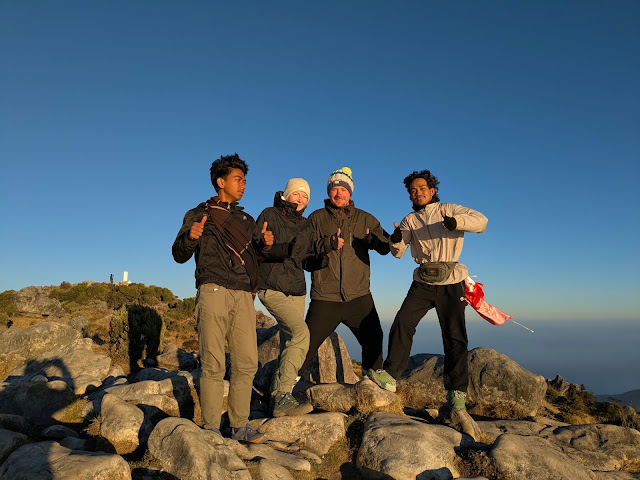
3. Prepare the Essential Trekking Equipment
Having the right equipment can make a long mountain journey safer and more comfortable. Your packing list should reflect the season, route, trip duration, and whether camping equipment will be provided.
Essential personal equipment
- Hiking backpack: Choose a comfortable backpack with adjustable straps and sufficient capacity for your personal equipment.
- Trekking shoes: Use well-fitting shoes with reliable grip and adequate support for uneven terrain.
- Headlamp: Bring a reliable headlamp with spare batteries or a charging solution for early-morning starts and nighttime movement.
- Trekking poles: These can improve stability and help reduce strain on your knees during steep ascents and descents.
- Water bottles or hydration reservoir: Carry enough drinking water for the planned section between reliable refill points.
- Rain protection: Pack a waterproof jacket and a rain cover or dry bags for your backpack.
- Navigation equipment: Carry an appropriate map or offline navigation resource, while following your guide’s route instructions.
- Personal first-aid supplies: Include basic blister care, personal medication, and other items appropriate to your needs.
- Power bank: Keep your phone charged for navigation, photography, and emergency communication where network access is available.
For overnight trekking, confirm whether your package includes a tent, sleeping bag, sleeping mat, meals, cooking equipment, and other group supplies.
Do not assume every hiking package provides the same facilities. Your guide should clarify what is included and what you need to bring yourself.
4. Choose the Right Clothing for Mountain Conditions
Mount Bawakaraeng can experience cooler temperatures at higher elevations, especially at night, before sunrise, and during windy or wet conditions.
The best strategy is to dress in layers so you can adjust your clothing as your body temperature and the weather change.
Recommended clothing
Moisture-wicking base layer: Choose clothing that helps move sweat away from your skin. Avoid relying entirely on cotton for long, strenuous sections because it can remain damp.
Lightweight trekking trousers: Wear comfortable trousers that allow freedom of movement and provide some protection from vegetation and minor scrapes.
Insulating layer: Bring a fleece or another warm layer for rest stops, camping, and colder conditions.
Waterproof outer layer: A suitable rain jacket helps protect you from rain and wind.
Warm accessories: Pack a hat or beanie, gloves, and warm socks when appropriate for the forecast and your personal comfort.
Extra dry clothes: Keep a spare set of clothing protected inside a waterproof bag for the campsite or emergency use.
Avoid wearing brand-new trekking shoes for the first time on the mountain. Test your footwear during training walks to identify discomfort or potential blisters before the actual trip.
Your local guide can recommend suitable clothing based on the planned itinerary and the latest available weather information.
5. Bring Enough Food and Drinking Water
Food and hydration are essential for maintaining energy throughout a demanding hike.
During long uphill sections, your body uses considerable energy. Eating small amounts regularly can help prevent excessive fatigue and keep you comfortable during the journey.
Recommended hiking snacks
Consider packing lightweight, energy-rich foods such as:
- Bananas and other easy-to-carry fruit.
- Nuts and trail mix.
- Energy bars.
- Bread, sandwiches, or simple rice-based meals.
- Biscuits and other convenient snacks.
- Electrolyte products, when appropriate.
For overnight trips, plan balanced meals that provide carbohydrates, protein, and sufficient calories. If your guide or trekking package provides meals, confirm the menu, portion arrangements, and whether special dietary requirements can be accommodated.
Drink water regularly rather than waiting until you feel extremely thirsty. The amount you need depends on the temperature, exertion, individual physiology, and availability of safe refill points.
Your guide can help you plan water supplies for each trekking section. Never assume that a stream or mountain water source is safe to drink without appropriate treatment.
Avoid carrying unnecessary food packaging, glass containers, or excessive supplies that add weight without improving your safety.
6. Check the Weather Before Departure
Weather awareness is a crucial part of preparing for Mount Bawakaraeng trekking.
Conditions in mountainous areas can change quickly. Rain may make trails slippery, reduce visibility, and increase the difficulty of river crossings or exposed sections. Strong winds and low temperatures can also make camping uncomfortable and increase the risk of cold-related problems.
Before leaving Makassar, check the latest available forecast for the mountain area and discuss it with your guide.
Pay particular attention to:
- Rainfall forecasts and possible thunderstorms.
- Wind conditions around exposed ridges.
- Expected nighttime and early-morning temperatures.
- Visibility and cloud conditions.
- Official trail closures, warnings, or local access restrictions.
A beautiful sunrise is never guaranteed, even when the weather appears favorable before departure.
More importantly, do not continue toward the summit simply because you have invested time and money in the trip. If conditions become unsafe, your guide may recommend delaying the ascent, changing the route, remaining at camp, or turning back.
Responsible decisions are part of a successful mountain adventure.
7. Understand the Estimated Trekking Duration
Your trekking schedule will depend on your chosen route, group fitness, weather, rest breaks, camping location, and trail conditions.
For visitors traveling from Makassar, it is important to account for transportation to the trailhead as well as the actual time spent hiking.
A possible multi-day trekking structure includes:
Day 1: Makassar to the trailhead and campsite
Travel from Makassar to the agreed starting point, complete registration or local procedures where required, organize equipment, and begin trekking. Depending on the itinerary, you may camp along the route.
Day 2: Summit attempt and mountain exploration
Begin early if conditions and the itinerary allow. Your guide will assess the group’s progress, weather, and trail conditions before continuing toward the planned destination. Enjoy the mountain scenery and return to camp or descend according to the agreed schedule.
Day 3: Descent and return to Makassar
Pack your equipment, descend carefully, and return to the agreed meeting point before traveling back to Makassar.
This is an illustrative three-day structure, not a fixed itinerary. Some routes and trekking packages require different arrangements, and summit access should never be guaranteed regardless of conditions.
Ask your guide for realistic walking-time estimates, expected arrival times, and contingency plans before booking.
8. Why an Experienced Local Guide Matters
For first-time hikers and international travelers, hiring an experienced local guide can simplify the preparation process and improve the overall trekking experience.
A knowledgeable guide can help you understand local trail conditions, plan suitable departure times, organize equipment, and adapt the itinerary to your group’s ability.
The benefits include:
Route planning: Your guide can explain the selected route, likely challenges, and appropriate camping locations.
Equipment advice: You receive recommendations about what to bring, what may be provided, and how to avoid carrying unnecessary weight.
Pace management: A guide can help establish a manageable walking pace and organize appropriate rest breaks.
Local knowledge: Learn about the surrounding mountain environment, local hiking customs, and the landscapes of South Sulawesi.
Weather-related decisions: Your guide can help interpret available forecasts and make practical decisions when conditions change.
Logistical support: For travelers departing from Makassar, a guided package may help coordinate transportation, meals, camping equipment, and other agreed services.
When choosing a guide, ask about recent experience on your intended route, group size, emergency procedures, equipment arrangements, and the exact services included in the price.
A professional guide should explain both the attractions and the risks of the journey rather than promising an effortless climb or a guaranteed summit.
9. Follow Responsible Mountain Hiking Ethics
Mount Bawakaraeng’s natural beauty deserves respect. Every visitor has a responsibility to help protect the mountain environment and maintain a positive experience for other hikers.
Follow these principles throughout your trip:
- Carry all rubbish back down, including food wrappers and used tissues.
- Stay on established trails whenever possible.
- Avoid damaging plants or disturbing wildlife.
- Respect other hikers, local communities, and mountain customs.
- Keep noise levels reasonable, especially around campsites.
- Use designated camping areas when available and follow local regulations.
- Never leave a campfire unattended, and avoid open fires where prohibited or unsafe.
- Use water sources responsibly and avoid contaminating streams.
- Follow your guide’s safety instructions and respect official closures.
Leave the mountain as clean as, or cleaner than, you found it. Responsible trekking helps preserve Mount Bawakaraeng for future generations.
10. Prepare Your Mindset and Final Checklist
Good preparation includes mental readiness as well as physical fitness and equipment.
Mountain trekking rarely follows a perfect schedule. You may experience tired legs, unexpected rain, slower progress, or limited visibility. Patience, flexibility, and cooperation make these challenges easier to manage.
The summit is only one part of the adventure. The journey through the forest, conversations at camp, changing mountain landscapes, and sunrise views can be equally memorable.
Before departing Makassar, use this final checklist:
- Complete appropriate physical training.
- Confirm your route, itinerary, and meeting point.
- Test your hiking shoes and backpack.
- Prepare layered clothing and rain protection.
- Pack a headlamp, first-aid supplies, and personal medication.
- Confirm drinking water, meals, and camping arrangements.
- Check the weather and current trail information.
- Share relevant health concerns and dietary needs with your guide.
- Confirm emergency procedures and necessary permits or registration.
- Get adequate sleep before departure.
Conclusion: Start Your Mount Bawakaraeng Adventure with Confidence
Preparing for Mount Bawakaraeng trekking is about combining physical fitness, appropriate equipment, weather awareness, realistic scheduling, and responsible hiking habits.
For beginners and international travelers starting from Makassar, the right preparation can make the experience more manageable and enjoyable. Working with an experienced local guide also helps you understand the route, organize essential supplies, and respond to changing mountain conditions.
At Sulawesi Hike, we believe every mountain journey should begin with proper planning and respect for nature. With suitable preparation and guidance, you can explore the remarkable landscapes of Mount Bawakaraeng while prioritizing safety and responsible adventure.
Are you planning to climb Mount Bawakaraeng from Makassar? Contact Sulawesi Hike to discuss your trekking experience, preferred dates, equipment requirements, and guided hiking arrangements for your next South Sulawesi mountain adventure.

Maybe you are interested in reading the following article:
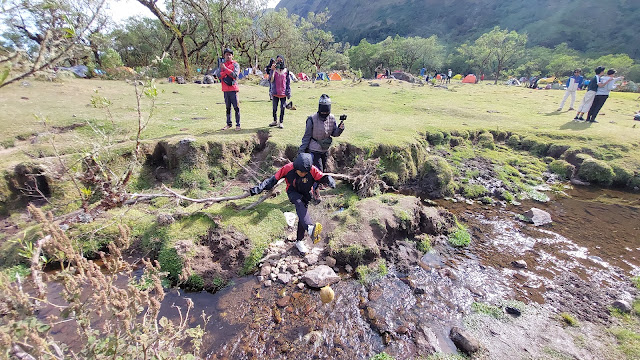
How to Reach and Hike Lembah Lohe, Gowa: A Hidden Mountain Escape Near Makassar
There are places in South Sulawesi that appear on almost every travel itinerary, and then there are places that remain quietly hidden between mountains, forests, and remote villages. Lembah Lohe in Gowa Regency belongs to the second category. For travelers staying in Makassar who want to escape busy streets, traffic, and crowded tourist attractions, Lembah..... read more
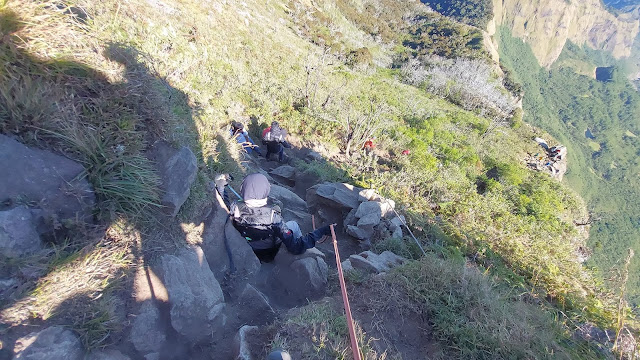
Mount Bulubaria Trekking Guide: Route, Difficulty, Best Time and Mountain Views
If you are looking for a spectacular mountain adventure away from the crowded hiking destinations of Indonesia, Mount Bulubaria trekking is an exciting option to explore in South Sulawesi. Rising to approximately 2,730 MASL, Mount Bulubaria offers a combination of challenging trails, peaceful mountain landscapes, open ridgelines, and expansive views that mak... read more
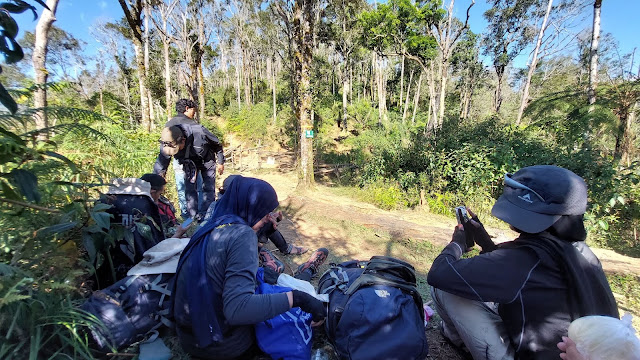
How to Hike Mount Bulubaria 2,730 MASL: Complete Trekking Guide from South Sulawesi
Mount Bulubaria, rising to approximately 2,730 meters above sea level (MASL), is one of the exciting mountain destinations for hikers exploring South Sulawesi, Indonesia. Known for its expansive mountain scenery, peaceful atmosphere, and beautiful highland landscapes, Bulubaria offers an adventure that feels far removed from the busy streets of Makassar. For... read more
Contact Us
If you have any questions, please contact us.
-
Hotline
+62881080121080 -
Whatsapp
+62881080121080 -
Email
amiruddinemail@gmail.com


No comment yet